You’ve probably typed “koi pond” and “fish pond” into Google back to back, wondering if you’re even researching two different things. You are, and the difference matters more than most homeowners realize before they start digging a hole in the backyard.
A fish pond is the broad category. A koi pond is a specific, more demanding version of that category, built around the needs of one particular fish. Get this distinction wrong before construction starts, and you’ll either overbuild a simple goldfish setup or under build a pond that your koi will outgrow within two years.
This guide breaks down exactly what separates a koi pond and fish pond, covers the koi pond vs. goldfish pond comparison in plain terms, and answers the sizing question almost every first-time pond owner in the US asks before breaking ground.
What Is a Fish Pond?
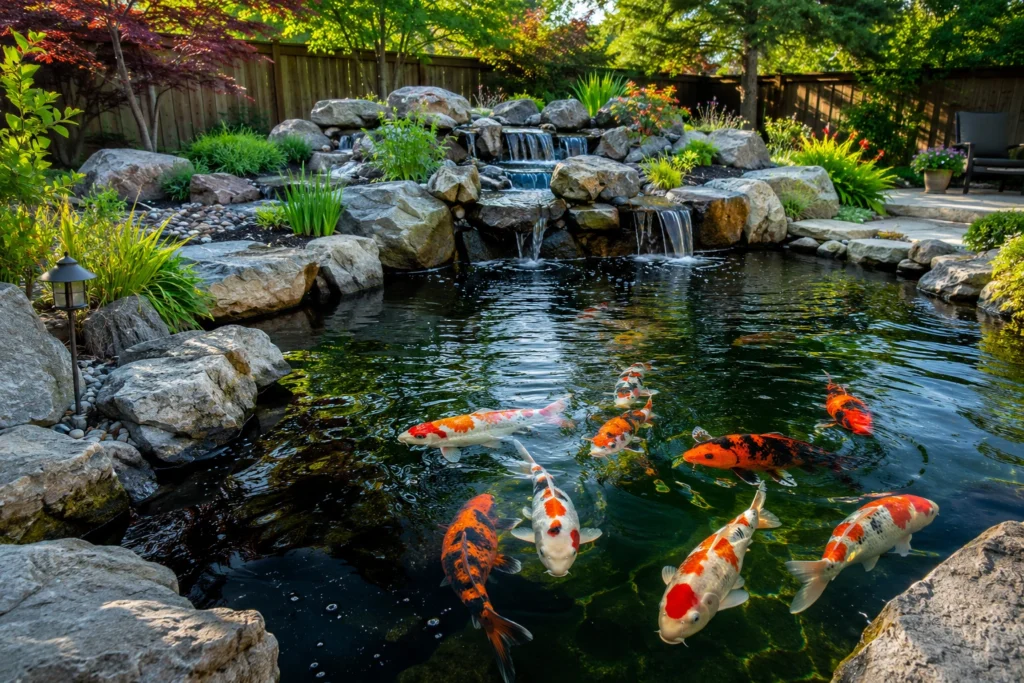
A fish pond is any man-made or natural water feature designed to support fish life. That’s the simplest possible definition, and it’s intentionally broad. Fish ponds range from a 50-gallon backyard feature stocked with a few goldfish to a multi-thousand-gallon koi habitat with professional-grade filtration.
The term “fish pond” doesn’t specify depth, filtration level, or which species you’re keeping. It just means there are fish living in a body of water you built or maintain. Most general-purpose fish ponds in the US are stocked with goldfish, mosquito fish, or native species, and they tend to be smaller, shallower, and simpler to maintain than a dedicated koi setup. (“how to build a backyard pond step by step“).
What Is a Fish Pond? A fish pond is any constructed or natural water feature built to support fish, typically ranging from small backyard features under 100 gallons to large multi-thousand-gallon systems. The term covers any species and any size, unlike a koi pond, which refers specifically to a setup designed for koi.
What Is a Koi Pond?
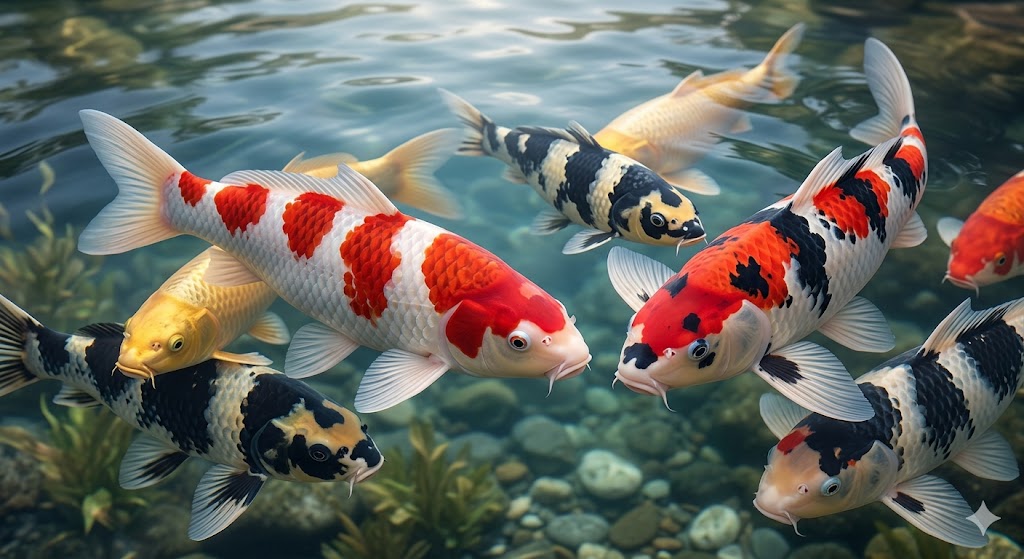
A koi pond is a specialized type of fish pond built specifically to support koi, a domesticated form of carp known for size, longevity, and vivid coloring. Because koi grow large, live for decades, and produce significant waste, a koi pond requires far more depth, volume, and filtration than a typical backyard fish pond.
Koi are not a casual pet. A healthy koi can live 25 to 35 years and grow to 24 inches or longer. That single fact drives nearly every design difference between a koi pond and a basic fish pond. You’re not building a feature for this season. You’re building infrastructure for a fish that may outlive your mortgage.
What’s the Difference Between a Koi Pond and a Fish Pond? Key Comparison
Here’s the direct answer to the question most readers come here for. The table below lays out the core differences side by side.
| Feature | Standard Fish Pond | Koi Pond |
|---|---|---|
| Minimum Depth | 18–24 inches | 36–48 inches (deeper in cold climates) |
| Minimum Volume | 50–500 gallons | 1,000+ gallons recommended |
| Filtration | Basic or none | Mechanical and biological, often multi-stage |
| Typical Lifespan of Fish | 5–10 years (goldfish) | 25–35 years (koi) |
| Adult Fish Size | 4–12 inches | 18–30+ inches |
| Predator Protection Needed | Minimal | Significant (netting, depth, overhangs) |
| Winter Care | Often minimal | De-icers, aeration, sometimes indoor tanks in cold regions |
| Average Setup Cost | $300–$2,000 | $3,000–$15,000+ |
The biggest takeaway: a koi pond is not just a bigger fish pond. It’s a different category of structure, built to support a fish that will be part of your landscape for two or three decades.
Depth Requirements
A standard fish pond can get away with 18 to 24 inches of depth in most of the US. A koi pond needs a minimum of 36 inches, and many experienced koi keepers recommend 48 inches or more, especially in regions with cold winters. The extra depth protects koi from temperature swings and gives them room to grow into their full adult size without feeling cramped.
Filtration Needs
This is where the gap really widens. Goldfish and other small pond fish produce relatively little waste, so a basic fish pond can sometimes run with minimal filtration or none at all if it’s heavily planted. Koi are waste machines by comparison.
A single mature koi can produce as much waste as several goldfish combined. Without serious mechanical and biological filtration, a koi pond’s water quality crashes fast, and that puts your fish at real risk.
Fish Lifespan and Long-Term Commitment
Goldfish in a typical backyard fish pond live around 5 to 10 years, sometimes longer with excellent care. Koi routinely live 25 years, and well-documented cases push past 50. You’re not buying a pet for this decade. You’re buying a multi-generational commitment, and your pond’s construction needs to reflect that.
Koi Pond vs. Goldfish Pond Comparison
Since goldfish ponds are the most common type of standard fish pond in American backyards, it’s worth comparing them directly to koi ponds rather than treating “fish pond” as one vague catch-all category.
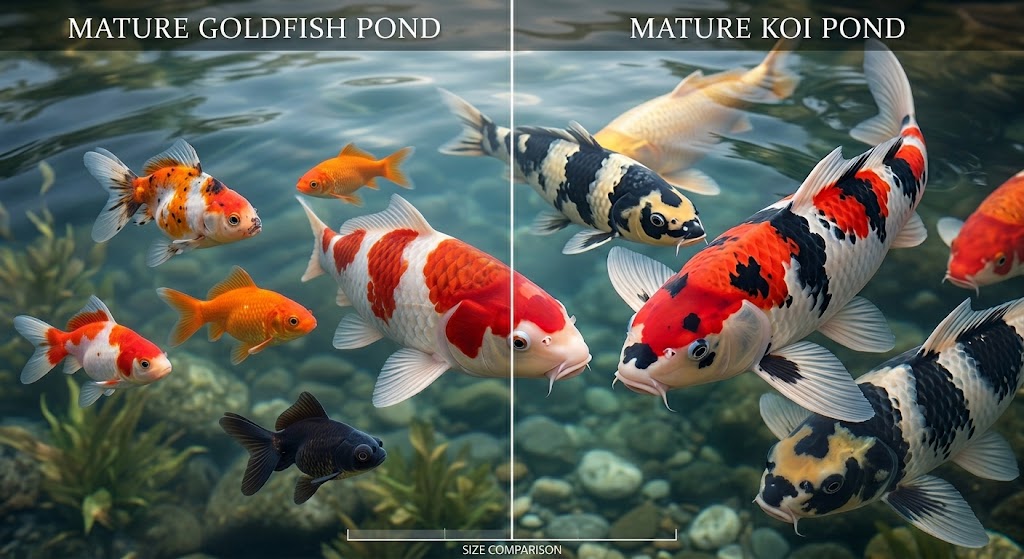
The koi pond vs. goldfish pond comparison comes down to four practical factors: size, cost, fish behavior, and long-term maintenance. Goldfish stay relatively small, rarely topping 10 to 12 inches even in ideal conditions, which means a goldfish pond can comfortably operate in a smaller footprint with simpler filtration.
Koi, on the other hand, need room to grow toward two feet or more, and they’ll outgrow an undersized pond within a couple of years, leading to stunted growth and stressed fish. Cost follows the same pattern.
A basic goldfish pond setup often runs a few hundred dollars for liner (“pond liner types compared“), pump, and basic filtration, while a koi pond frequently starts in the thousands once you account for depth, volume, and a proper filtration system rated for heavy bioload. Behaviorally, koi are also far more interactive.
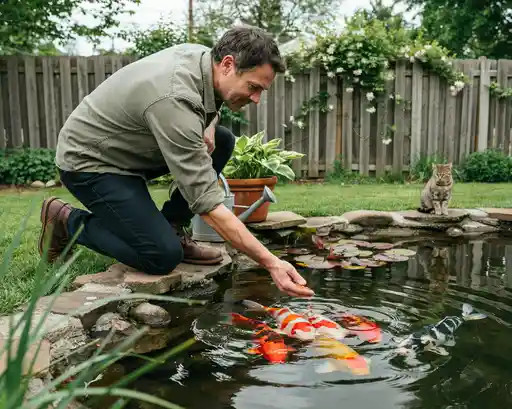
They’ll often eat from your hand and recognize the person who feeds them, while goldfish tend to stay more reserved. If you’re deciding between the two, the honest answer is that goldfish ponds suit homeowners who want a lower-maintenance water feature, while koi ponds suit people ready to invest in a serious, decades-long hobby.
What Size Fish Pond Do I Need for Koi?
This is one of the most searched questions among first-time koi keepers, and getting it right early saves you from an expensive redo later.
Minimum Size Guidelines
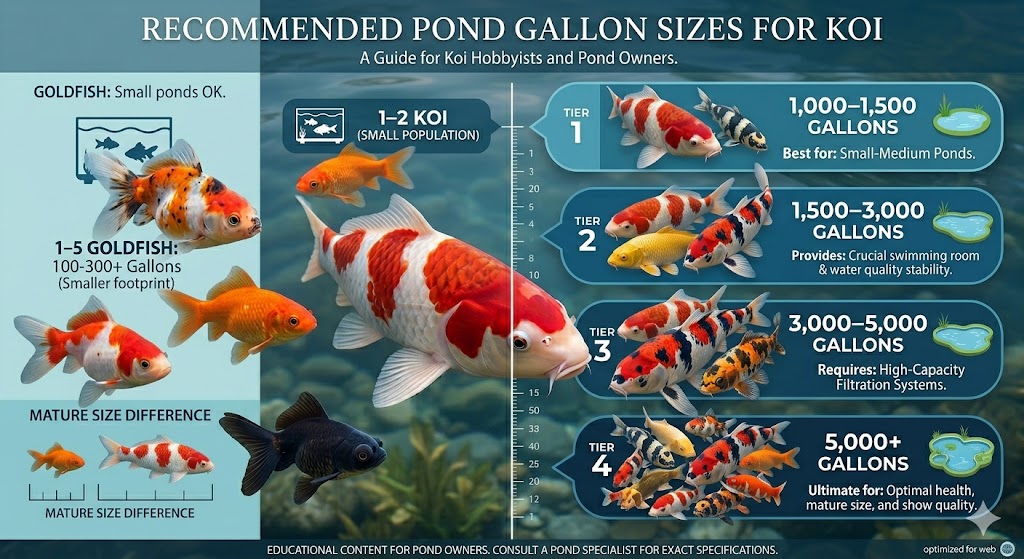
For a small group of young koi, most koi keeping guides recommend starting with at least 1,000 gallons of water volume. That’s not a hard ceiling, it’s a floor. As your koi mature, that number needs to climb.
Here’s a practical breakdown based on the number of adult koi you plan to keep long term:
- 2 to 3 koi: Minimum 1,000 gallons, with 1,500 gallons being more comfortable.
- 4 to 6 koi: 2,000 to 3,000 gallons.
- 7 to 10 koi: 4,000 to 6,000 gallons.
- 10+ koi: 6,000 gallons and up, often with professional filtration design.
A commonly cited rule of thumb among koi breeders is roughly 250 gallons of water per adult koi, though many experienced keepers prefer closer to 500 gallons per fish for the healthiest long-term results. Crowding koi into an undersized pond leads to stunted growth, poor water quality, and higher stress, which makes fish more vulnerable to disease.
Surface Area and Depth Together
Volume alone doesn’t tell the whole story. A pond that’s wide and shallow holds water differently than one that’s narrow and deep, and koi specifically benefit from depth. Aim for a minimum depth of 3 feet, with 4 feet being ideal in regions that see real winter cold, since deeper water resists temperature swings and gives koi a safe zone to retreat to during extreme heat or cold.
What Size Fish Pond Do I Need for Koi? For koi, plan for a minimum of 1,000 gallons for two to three young fish, scaling up to roughly 250 to 500 gallons per adult koi as they mature. Depth should be at least 3 feet, with 4 feet recommended in colder US climates. Undersized ponds lead to stunted growth and poor long-term water quality.
Climate Considerations for US Pond Owners
Where you live in the country changes how you should plan your pond, regardless of whether you’re keeping koi or goldfish.
Northern and Midwest climates (think Minnesota, Michigan, Illinois) need ponds with at least one section at 3 to 4 feet of depth so fish can survive below the ice line in winter. A pond that freezes solid throughout is a death sentence for koi and most goldfish varieties. (koi pond winter care guide).
Southern and Southwest climates (Texas, Arizona, Florida) face the opposite problem: heat and evaporation. Deeper sections also help here, giving fish a cooler refuge during summer heat waves, and you’ll want to plan for more frequent water top-offs.
Coastal and humid regions often deal with heavier organic debris from surrounding vegetation, which means stronger mechanical filtration tends to pay off regardless of which fish you keep.
Cost Breakdown: Koi Pond vs. Fish Pond
Budget is often the deciding factor for homeowners choosing between these two options. Here’s a realistic cost comparison based on typical US installation pricing.
| Cost Category | Standard Fish Pond | Koi Pond |
|---|---|---|
| Excavation & Liner | $200–$800 | $1,000–$4,000 |
| Pump & Basic Filtration | $100–$400 | $800–$3,000 |
| Biological Filter System | Optional | $500–$2,500 |
| Aeration/De-icer (cold climates) | Optional | $100–$400 |
| Fish Stock | $5–$30 per goldfish | $50–$500+ per koi |
| Annual Maintenance | $100–$300 | $400–$1,200 |
A basic goldfish-style fish pond can realistically be built for under $1,000 if you handle the labor yourself. A proper koi pond, built to support the fish for the long haul, typically starts around $3,000 and climbs quickly with size and filtration quality.
Common Mistakes When Choosing Between a Koi Pond and Fish Pond
Underestimating adult koi size. Many first-time koi owners buy 3-inch juvenile koi and build a pond sized for that fish, not the 24-inch adult it becomes. Always design for the adult size, not the size at purchase.
Skipping a quarantine tank. New koi should spend two to four weeks in a separate quarantine tank before joining an established pond. This single step prevents the majority of disease outbreaks in backyard koi ponds.
Underpowered filtration. This is the most common and most costly mistake. A filtration system sized for a goldfish pond will fail within months in a koi pond. Always size filtration for your pond’s full adult bio-load, not its current stocking level. (Ideal filter to try is an VIVOHOME Pressurized Biological Pond Filter).
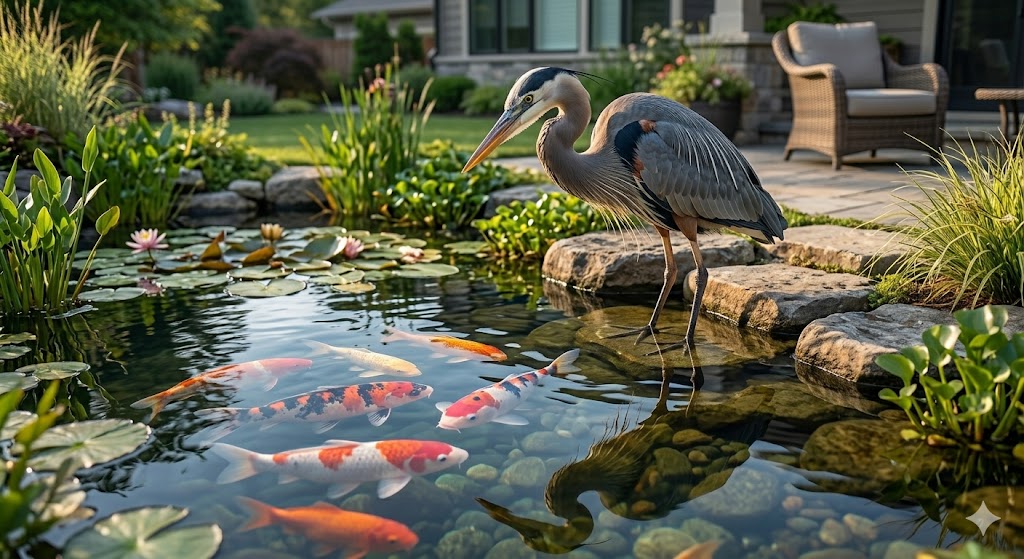
Ignoring predator risk. Herons, raccoons, and even large hawks see colorful koi as an easy meal. Depth, overhangs, and netting matter more for koi ponds because the fish themselves are a bigger and more visible target. (pond predator protection methods).
How to Decide Which Pond Is Right for You
If you’re still on the fence, ask yourself these three questions.
Do you want a low-maintenance water feature, or a long-term hobby? A standard fish pond with goldfish is closer to a landscaping feature. A koi pond is closer to a serious hobby, similar to keeping a saltwater reef tank.
What’s your realistic budget, including the first three years? Factor in not just construction, but ongoing filtration upkeep, winter care, and the cost of replacing or adding fish over time.
How much yard space can you commit permanently? Koi ponds are not easily downsized once built. If your yard space might shrink due to a future project, addition, or move, that’s worth factoring in now.
Frequently Asked Questions
Can goldfish and koi live in the same pond? Yes, in many cases they can coexist peacefully, but the pond needs to be sized and filtered for the koi’s eventual adult size, not the goldfish’s smaller footprint. Many mixed ponds work well as long as depth and filtration meet koi-level standards.
Do koi ponds need a pump running all the time? Yes. Continuous filtration and aeration are essential for koi ponds because of the heavy bio-load koi produce. Standard fish ponds with light stocking can sometimes get by with intermittent pump use, though it’s not ideal.
Can I convert an existing fish pond into a koi pond? Often yes, but you’ll likely need to deepen the pond, upgrade filtration significantly, and confirm the liner and structure can handle the added volume. A professional pond builder can assess whether your existing setup is a good conversion candidate.
What’s the Difference Between a Koi Pond and a Fish Pond?
A fish pond is the umbrella term, and a koi pond is the specialized structure built underneath it. The differences in depth, filtration, cost, and long-term commitment aren’t small details. They’re the entire reason koi ponds and standard fish ponds get built so differently in the first place.
If you’re drawn to the idea of colorful, interactive fish that become part of your family for decades, a properly sized koi pond is worth the investment. If you want a simpler water feature with lower upkeep, a standard goldfish-style fish pond will serve you well without demanding the same level of commitment.
Still weighing your options? Compare filtration systems built for koi ponds and find the right setup for your fish before you buy.
Pond sizing and cost estimates vary by region and contractor. Always confirm local permitting requirements and get a site-specific quote before construction begins.
Disclosure: As an Amazon Associate, I earn from qualifying purchases.